
Prohibition and restriction signs
Unofficial translation by pdc.ro from Romanian. The text that applies is the Romanian one. pdc.ro is not affiliated with the DGPCI or the Ministry of Internal Affairs. Page in Romanian
The meaning of these signs starts level with them. If there is no panel showing the length of the section and no end sign, the prohibition ends at the nearest junction. When placed together with ‘Entering a built-up area’, they apply on that road as far as ‘Leaving a built-up area’, except where other signs provide otherwise (Article 66(6) of the Regulation approved by Government Decision (HG) no. 1.391/2006, referred to below as the ‘Regulation’). References to OUG no. 195/2002 are to Government Emergency Ordinance no. 195/2002 on traffic on public roads.
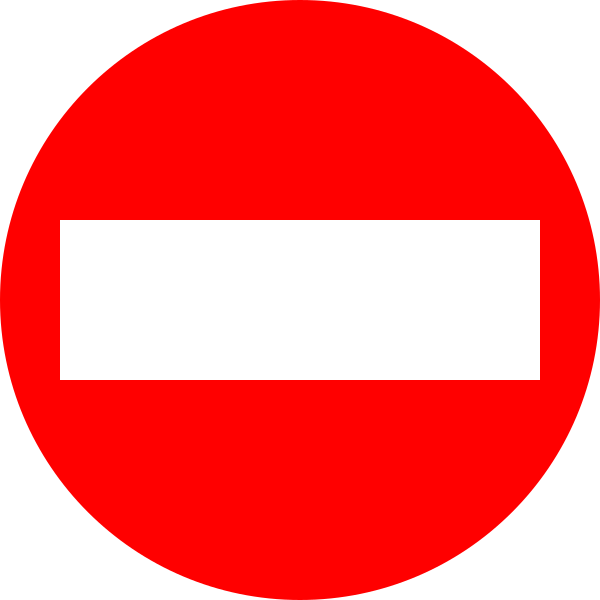
No entry
It closes the road in your direction of travel, usually at the end of a one-way road. An additional panel may specify the categories of vehicles to which the prohibition does not apply. Driving on a section with no entry earns you 2 penalty points, in addition to the fine (Article 108(1) letter a) point 5 of OUG no. 195/2002).

No vehicles in both directions
It closes the road in both directions. An additional panel may specify the categories of vehicles that are exempt.
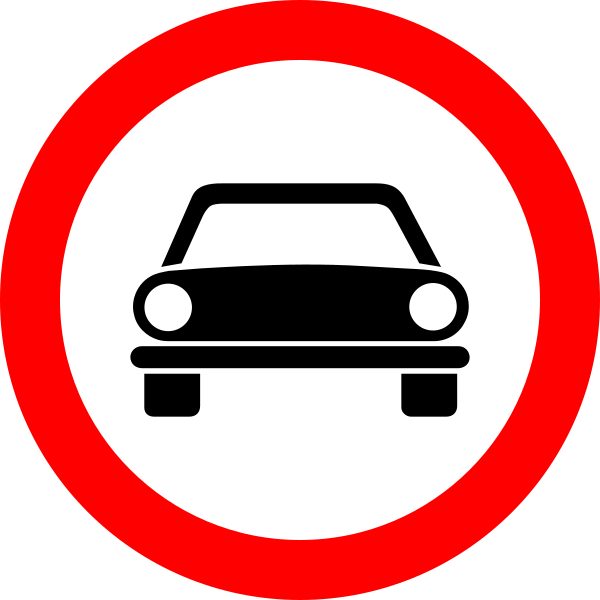
No motor vehicles except solo motorcycles
You see it at the entrance to roads you may not use by car. You may use them on a solo motorcycle (without a sidecar), and vehicles without an engine, for example bicycles, may enter.
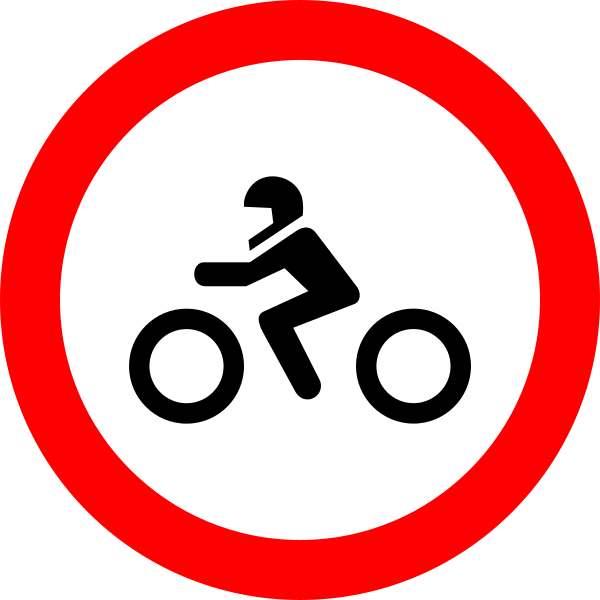
No motorcycles
This sign is placed at the entrance to public roads where access for motorcycles is prohibited.
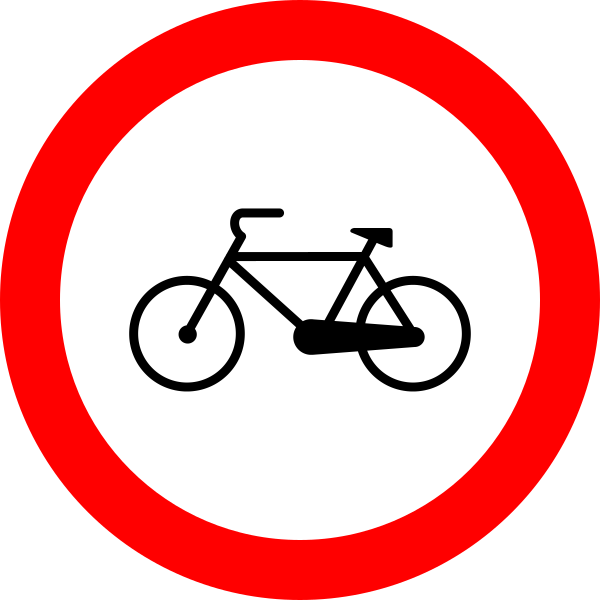
No bicycles
It is found at the entrance to public roads where access for bicycles is prohibited.
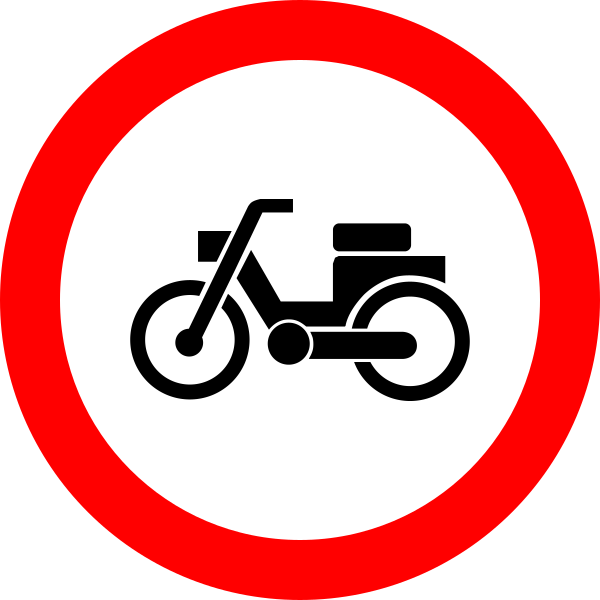
No mopeds
It is placed at the entrance to public roads where access for mopeds is prohibited.
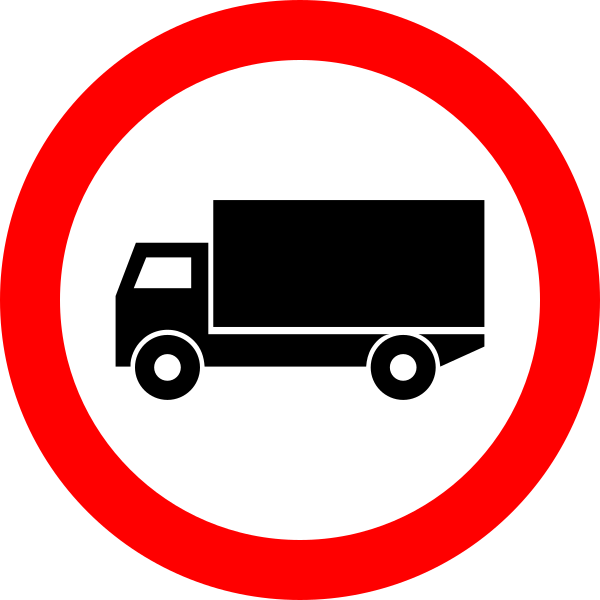
No goods vehicles
You see it at the start of roads that goods vehicles may not enter. An additional panel may show the maximum authorised mass: vehicles that do not exceed it may use that section.
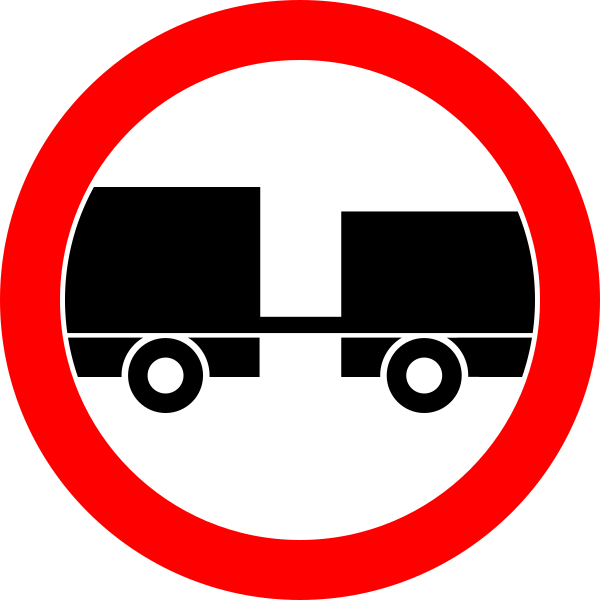
No motor vehicles with a trailer, except those with a semi-trailer or a single-axle trailer
The sign is installed at the entrance to public roads where access for motor vehicles with a trailer, except those with a semi-trailer or a single-axle trailer, is prohibited.
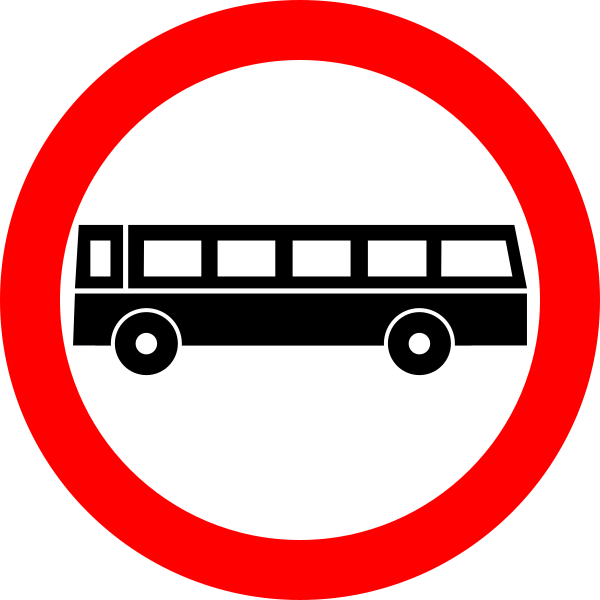
No buses
The sign in the picture is placed at the entrance to public roads where access for buses is prohibited.
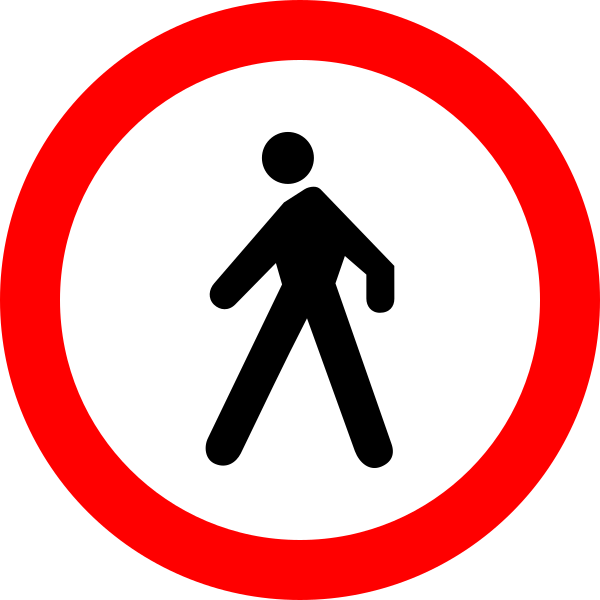
No pedestrians
It prohibits access for pedestrians on the section of road where it is placed. If the sign is on only one side of the road, the prohibition applies only on that side. For both sides, two signs are placed.
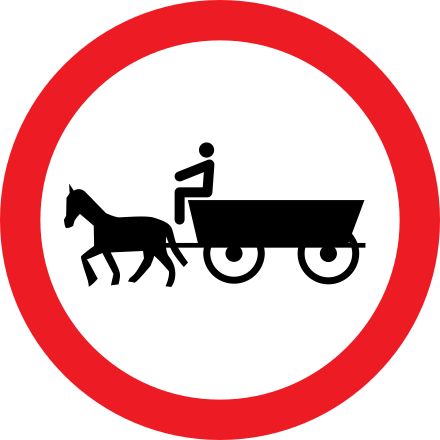
No animal-drawn vehicles
It is placed at the entrance to public roads where access for animal-drawn vehicles is prohibited.
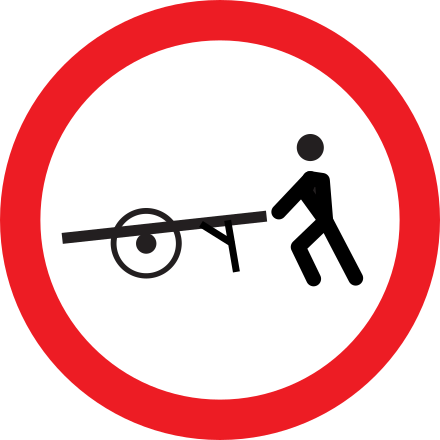
No hand-pushed or hand-pulled vehicles
The sign is set up at the entrance to public roads where access for vehicles pushed or pulled by hand is prohibited.
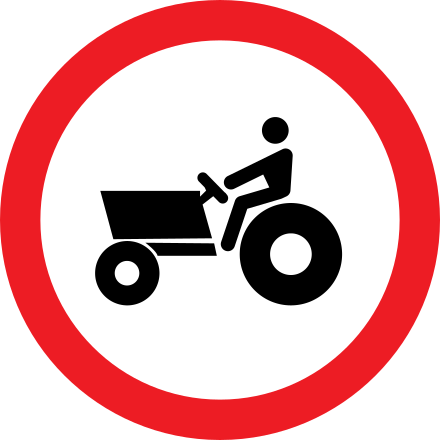
No tractors or self-propelled works machinery
It may be found in rural localities, on public roads where access for tractors and self-propelled works machinery is prohibited.
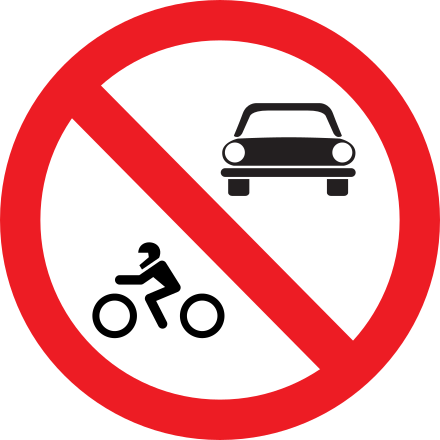
No motor vehicles
The sign in the picture alongside is placed at the entrance to public roads where access for motor-powered vehicles is prohibited.
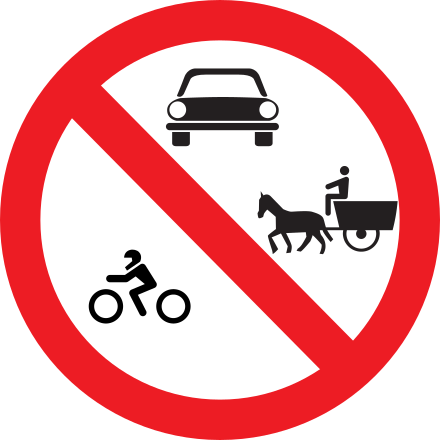
No motor vehicles or animal-drawn vehicles
It is installed at the entrance to public roads where access for motor-powered vehicles and animal-drawn vehicles is prohibited.
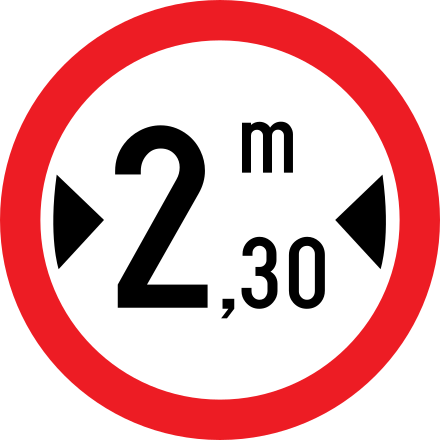
No vehicles wider than ... m
You see it on sections of reduced width or at the junction before them, in which case an additional panel shows the distance to that place. If your vehicle is wider than the figure on the sign, you do not enter.
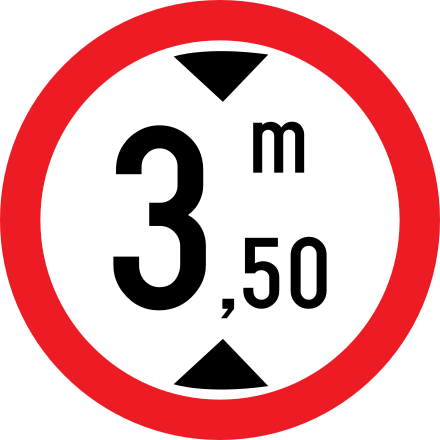
No vehicles taller than ... m
You see it on sections with reduced headroom (bridges, underpasses) or at the junction before them, in which case an additional panel shows the distance to that place. If the vehicle, including its load, is taller than the figure on the sign, you do not enter (Article 173 letter a) of the Regulation).
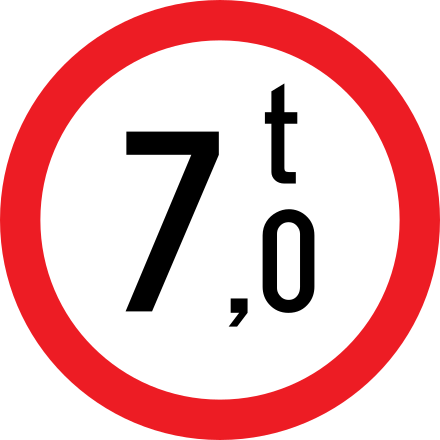
No vehicles with a mass over ... t
It may be found on the section of road where access is prohibited for vehicles with a mass greater than that written on the sign, as well as at the junction preceding it. In the second case, the sign is accompanied by an additional panel showing the distance to the dangerous place.
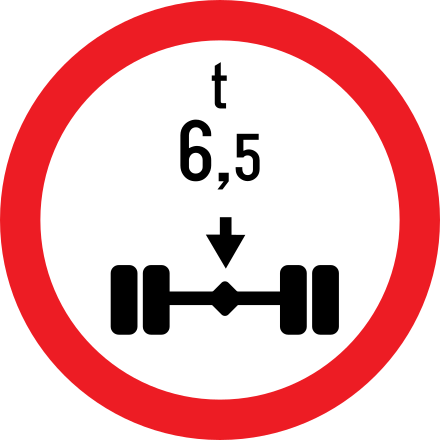
No vehicles with a mass over ... t on a single axle
It marks the start of the section of road where access is prohibited for vehicles with a mass on a single axle greater than that written on the sign.
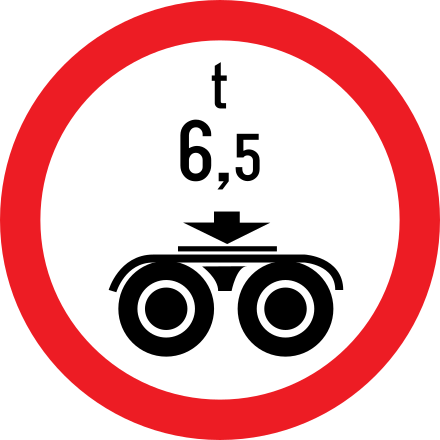
No vehicles with a mass on a tandem axle over ... t
It is installed on the section of road where access is prohibited for vehicles with a mass on a tandem axle greater than that written on the sign.
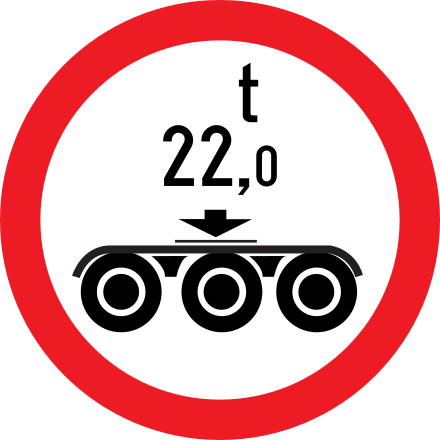
No vehicles with a mass on a triple axle over ... t
The sign in the picture alongside is placed on the section of road where access is prohibited for vehicles with a mass on a triple axle greater than that written on the sign.
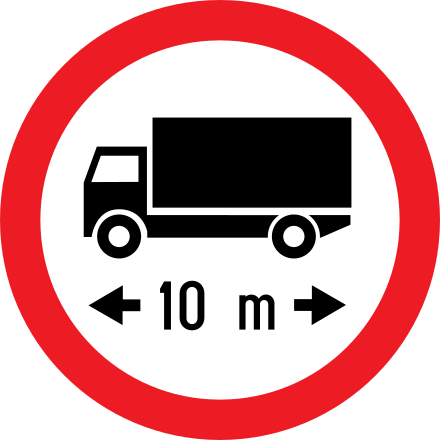
No motor vehicles or combinations of vehicles longer than ... m
This sign is placed at the entrance to public roads where access for motor vehicles or combinations of vehicles longer than the length written on the sign is prohibited.
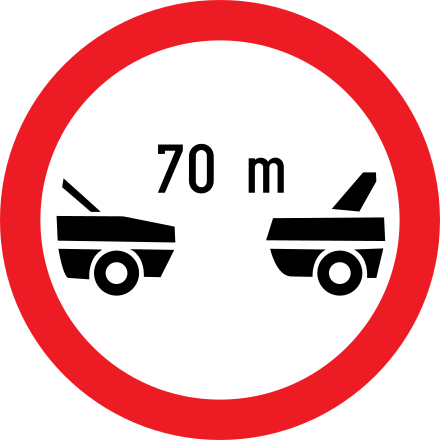
Motor vehicles prohibited from travelling without keeping a distance of at least ... m between them
You keep at least the distance written on the sign from the vehicle in front. An additional panel may show the length of the section. The restriction ends at ‘End of all restrictions’ or, if there are no other signs, at the nearest junction (Article 66(6) of the Regulation).
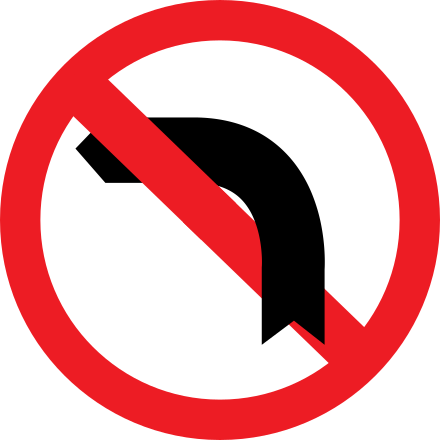
No left turn
You see it before the junction where you may not turn left. It applies only at that junction. You may not make a U-turn there either (Article 126 letter b) of the Regulation).
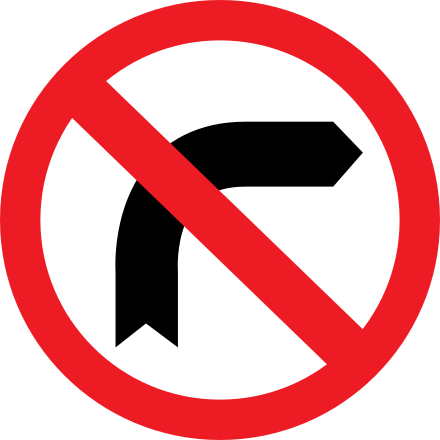
No right turn
You see it before the junction where you may not turn right. It applies only at that junction.
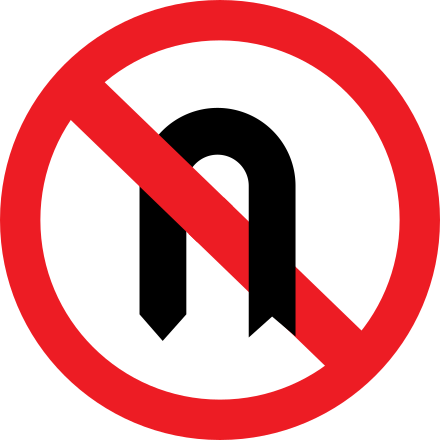
No U-turns
You may not make a U-turn at the place where it is installed (Article 126 letter f) of the Regulation). The sign does not prohibit you from turning left.
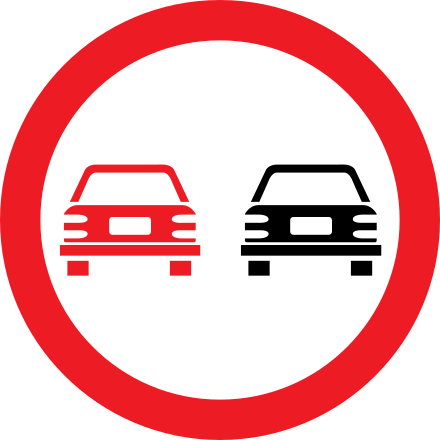
No overtaking of motor vehicles, except solo motorcycles
You may not overtake motor vehicles, except solo motorcycles (without a sidecar). You may also overtake vehicles without an engine (bicycles, animal-drawn vehicles, vehicles pushed or pulled by hand). The prohibition ends at ‘End of no overtaking’, at ‘End of all restrictions’ or, if there are none, at the nearest junction (Article 66(6) and Article 120(1) letter h) of the Regulation). Overtaking in the area covered by the sign is punished with a class III fine and suspension of the right to drive for 60 days (Article 101(3) letter g) of OUG no. 195/2002).
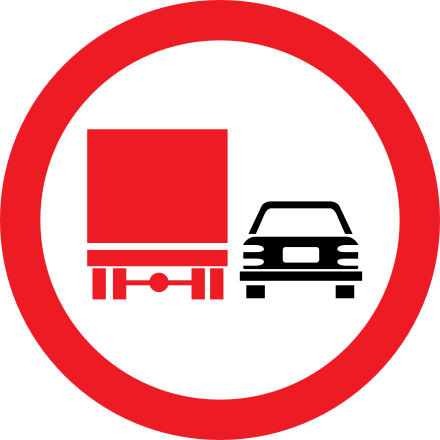
No overtaking by goods vehicles
The prohibition applies only to goods vehicles, so you may overtake in a car. It ends at ‘End of no overtaking’, at ‘End of all restrictions’ or, if there are none, at the nearest junction (Article 66(6) of the Regulation).
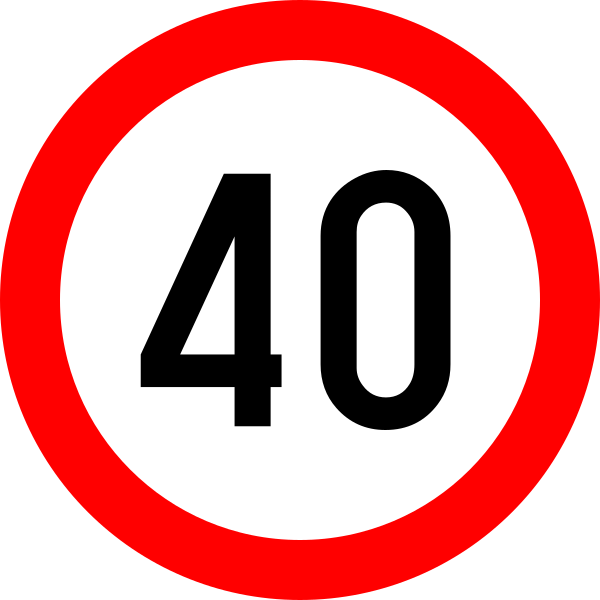
Speed limit
You do not drive faster than the speed on the sign. The limit starts level with the sign and ends at the end sign or, if there is none, at the nearest junction. When placed together with ‘Entering a built-up area’, it applies as far as ‘Leaving a built-up area’, except where other signs provide otherwise (Article 66(6) of the Regulation).
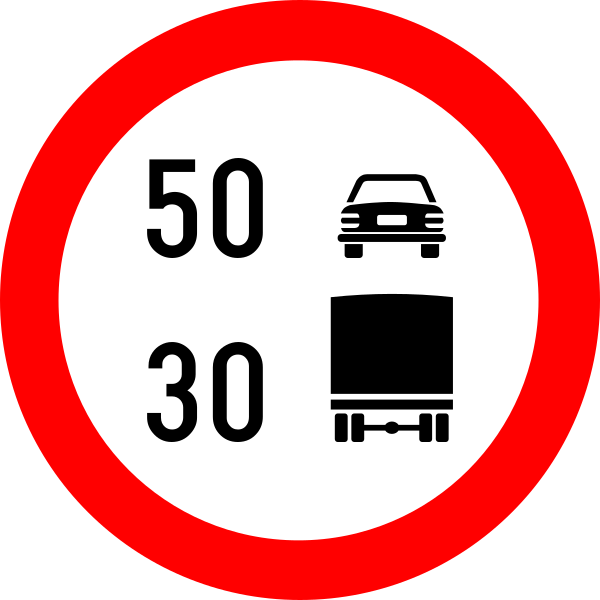
Speed limits by category of motor vehicle
Each category of motor vehicle has its own limit, the one shown on the sign. The limit starts level with the sign and ends at the end sign or, if there is none, at the nearest junction. When placed together with ‘Entering a built-up area’, it applies as far as ‘Leaving a built-up area’, except where other signs provide otherwise (Article 66(6) of the Regulation).
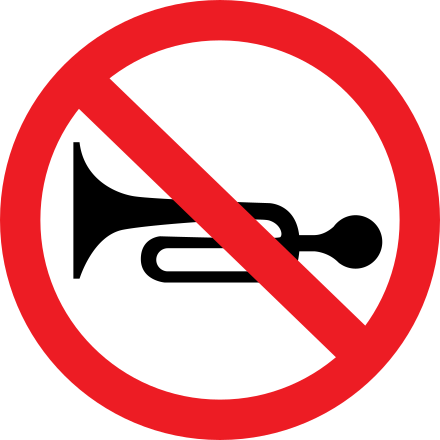
Use of horn prohibited
Within the area where it applies you do not use the horn, whatever the time of day (Article 113(2) of the Regulation). Exceptions: to avoid an immediate danger, and priority vehicles on an emergency mission (Article 113(3)). When placed together with ‘Entering a built-up area’, it applies as far as ‘Leaving a built-up area’.
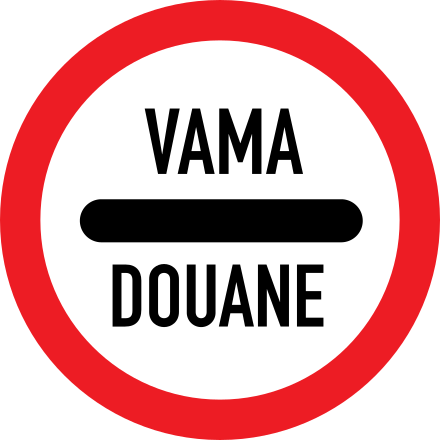
Customs
You see it before the customs post. You stop at the customs post.
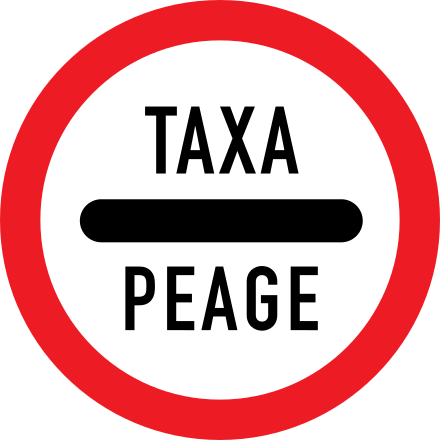
Toll
You see it before an area you may pass through only after paying a toll.
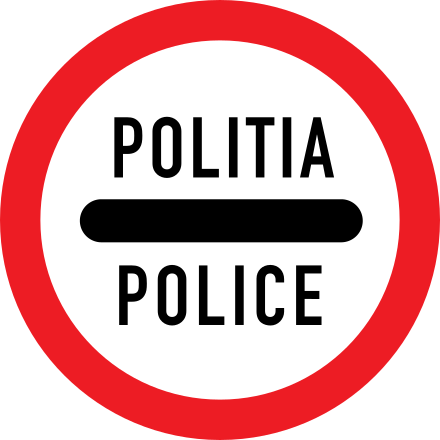
Police check
You see it before a police checkpoint. You may not pass without stopping.
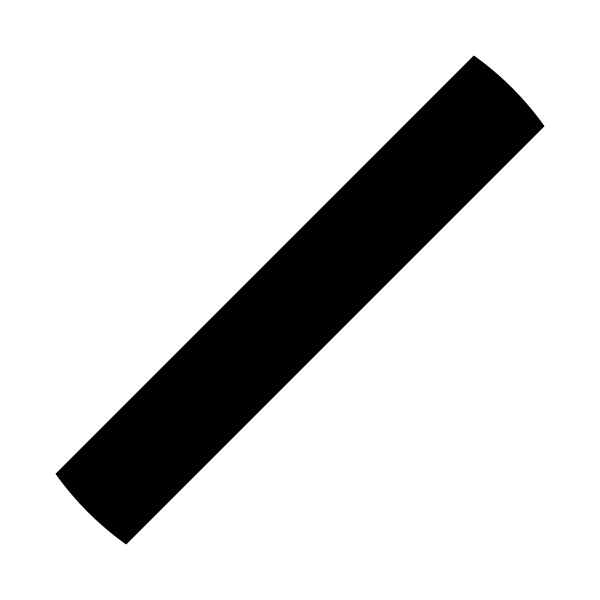
End of all restrictions
It is placed where a restriction for which there is no specific sign ends, or where the area covered by two or more restrictions ends. It cancels them all.
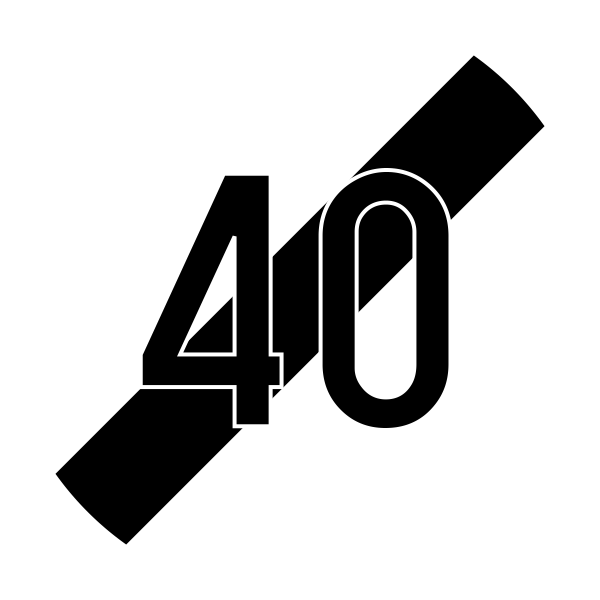
End of speed limit
It marks the end of the section with a speed limit. From here the legal limit for the road applies.
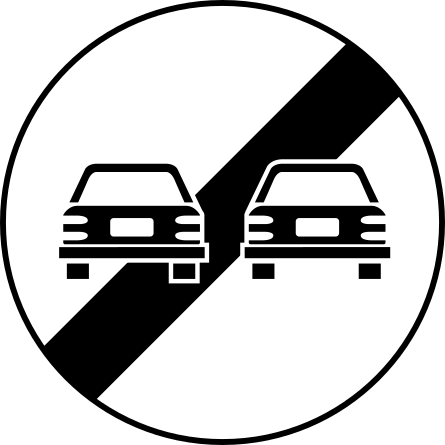
End of no overtaking
It marks the place where the overtaking prohibition ends.
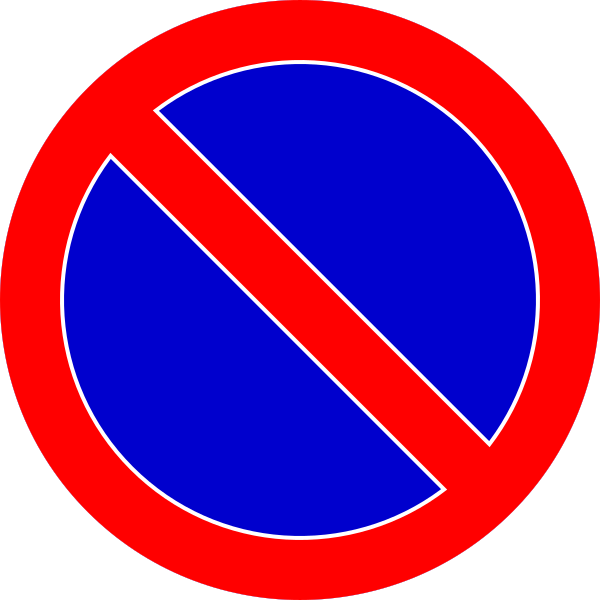
No standing
You may not stand, but you may stop, that is, remain stationary for no more than 5 minutes (Article 63 of OUG no. 195/2002; Article 143 letter b) of the Regulation). It starts level with the sign and ends at the nearest junction, unless the signs show otherwise (Article 66(6) of the Regulation). Additional panels or the arrows on the sign show you the start, continuation or end of the area where it applies.
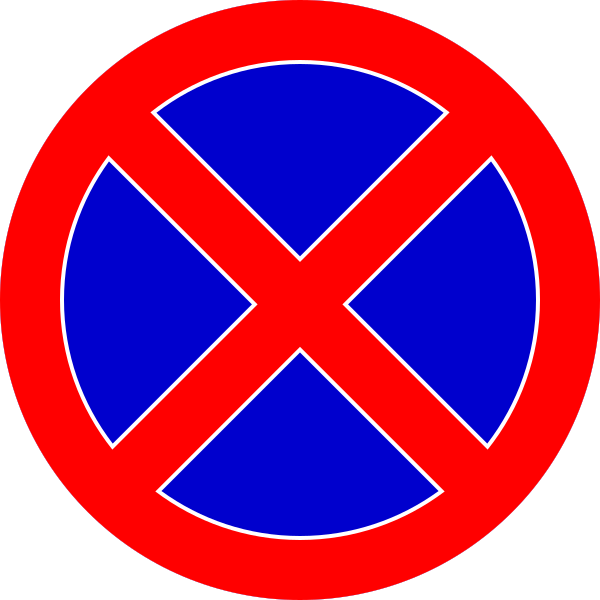
No stopping
You may neither stop nor stand (Article 142 letter a) and Article 143 letter a) of the Regulation). It starts level with the sign and ends at the nearest junction, unless the signs show otherwise (Article 66(6) of the Regulation). Additional panels or the arrows on the sign show you the start, continuation or end of the area where it applies.
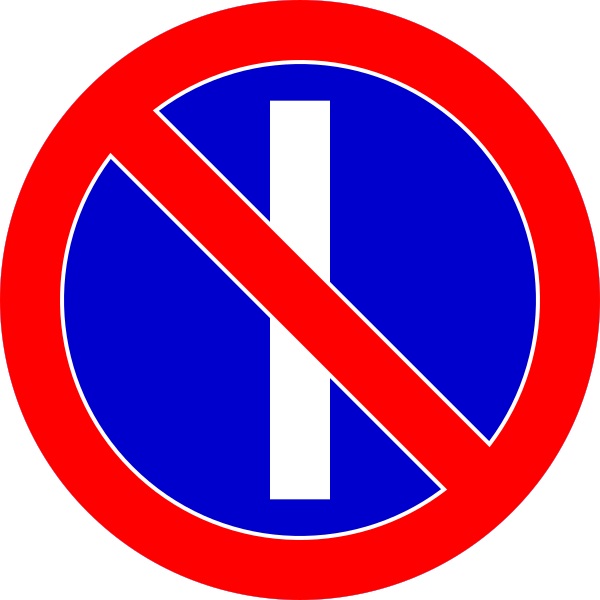
Alternate-day standing
With one vertical bar, standing is prohibited on odd-numbered days (Article 143 letter f) of the Regulation). It starts level with the sign and ends at the nearest junction, unless the signs show otherwise (Article 66(6) of the Regulation). Additional panels or the arrows on the sign show you the start, continuation or end of the area where it applies.
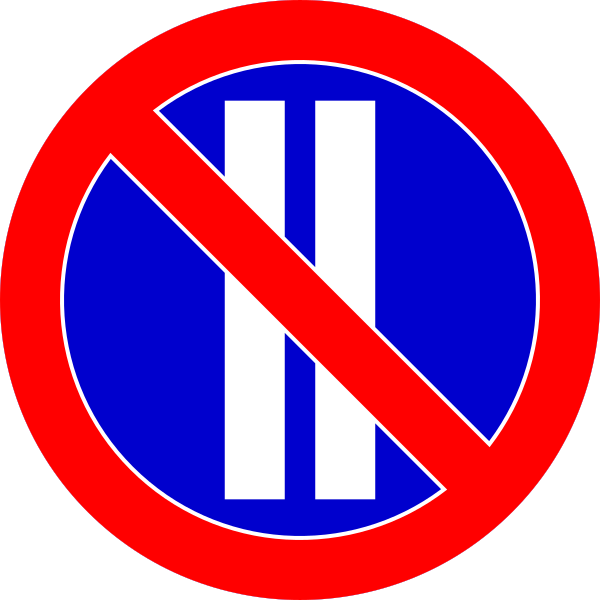
Alternate-day standing
With two vertical bars, standing is prohibited on even-numbered days (Article 143 letter f) of the Regulation). It starts level with the sign and ends at the nearest junction, unless the signs show otherwise (Article 66(6) of the Regulation). Additional panels or the arrows on the sign show you the start, continuation or end of the area where it applies.
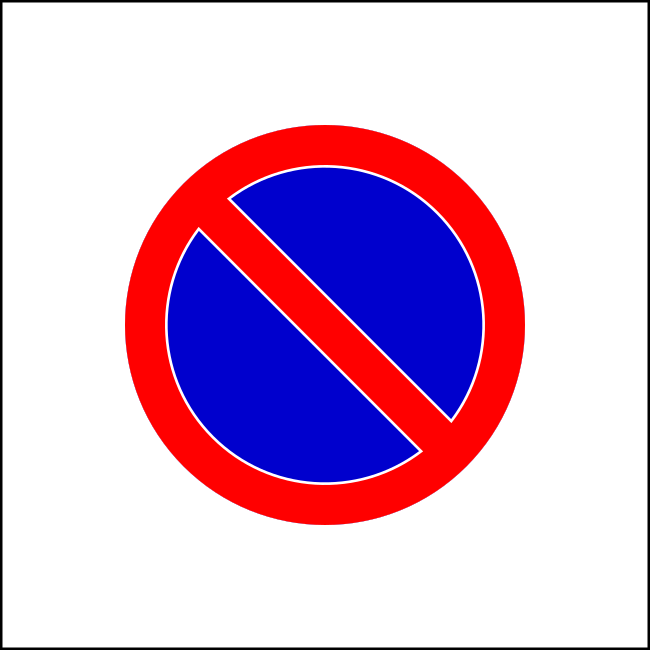
Limited-duration standing zone
It marks a zone where you may stand only for as long as and in the way the additional panel allows (time period, duration, fee), as far as ‘End of limited-duration standing zone’ (Article 143 letter f) of the Regulation).
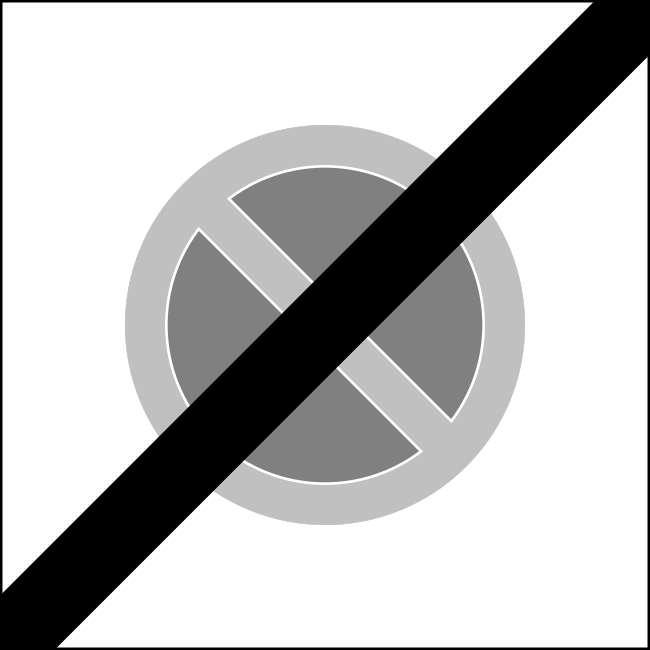
End of limited-duration standing zone
It marks the end of the limited-duration standing zone.
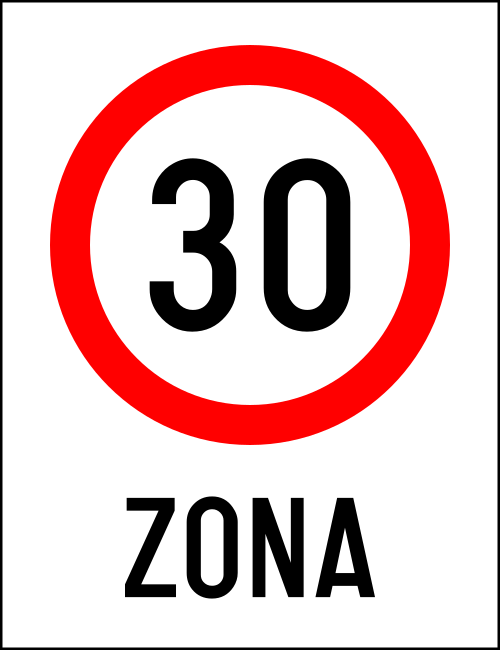
Zone with speed limited to 30 km/h
It marks the entrance to a zone where you may not drive faster than 30 km/h, on all streets, as far as the end-of-zone sign.
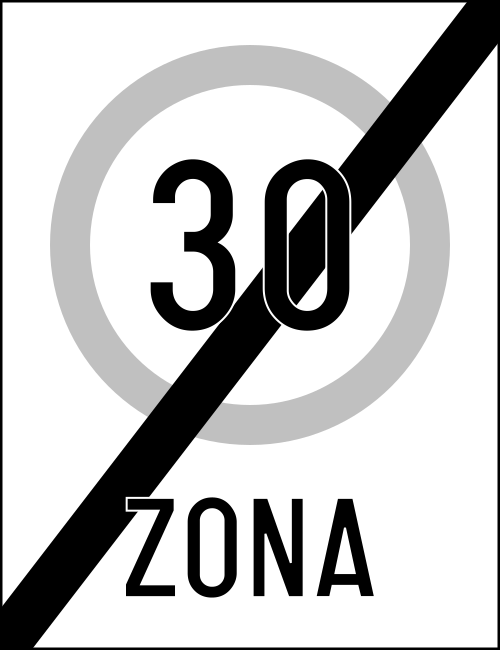
End of zone with speed limited to 30 km/h
It marks the end of the zone where the speed was limited to 30 km/h.
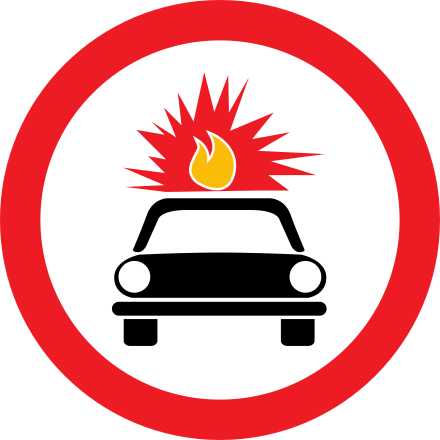
No vehicles carrying explosive or highly flammable substances
It is placed where access for vehicles carrying explosive or highly flammable substances is prohibited (generally in densely populated areas or in areas where the presence of such substances would be a danger).

No vehicles carrying dangerous goods
The sign in the picture alongside is placed where access for vehicles carrying dangerous goods is prohibited.
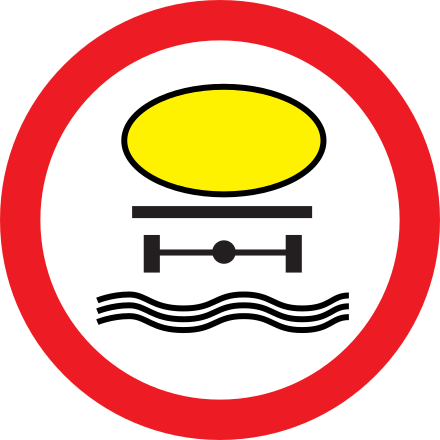
No vehicles carrying substances liable to pollute water
Where you meet this sign, access for vehicles carrying substances liable to pollute water is prohibited.
Sign drawings: Wikimedia Commons, by Alex:D (CC BY-SA 3.0), Gigillo83 (CC BY-SA 4.0).
Updated on 3 November 2026, in line with OUG no. 195/2002 and the Regulation approved by HG no. 1.391/2006, as currently in force.