
Direction signs
Unofficial translation by pdc.ro from Romanian. The text that applies is the Romanian one. pdc.ro is not affiliated with the DGPCI or the Ministry of Internal Affairs. Page in Romanian
Direction signs show you directions and routes. Below, ‘Regulation’ means the Regulation approved by Government Decision (HG) no. 1.391/2006, and OUG no. 195/2002 is Government Emergency Ordinance no. 195/2002 on traffic on public roads.
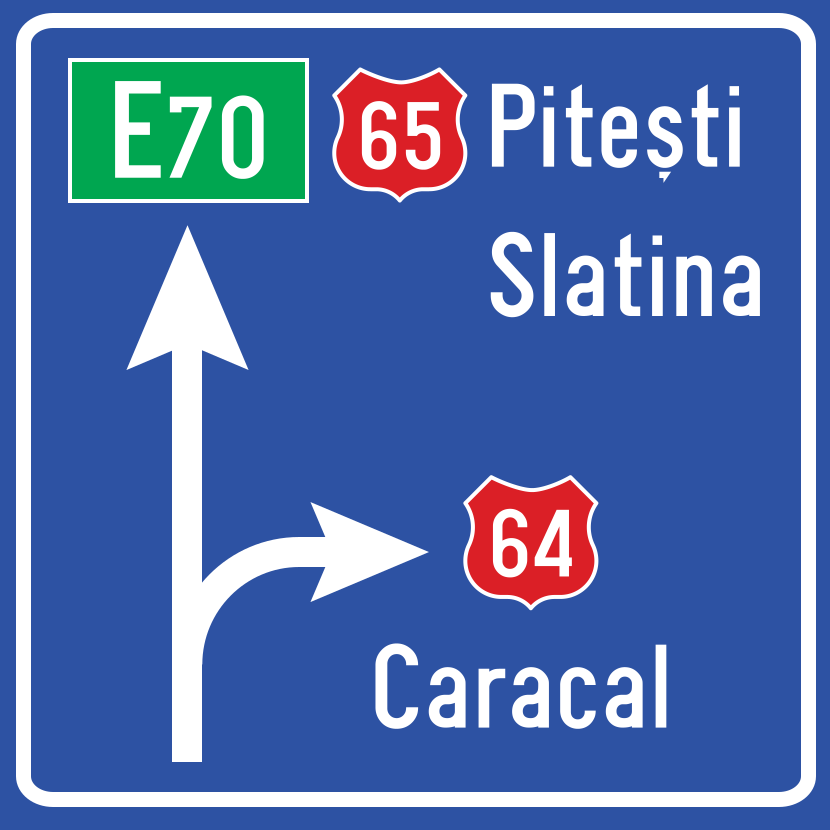
Advance direction sign for a junction outside built-up areas
You see it before a junction outside built-up areas, usually between national or county roads. It shows you the directions, so that you get into the right lane in good time.
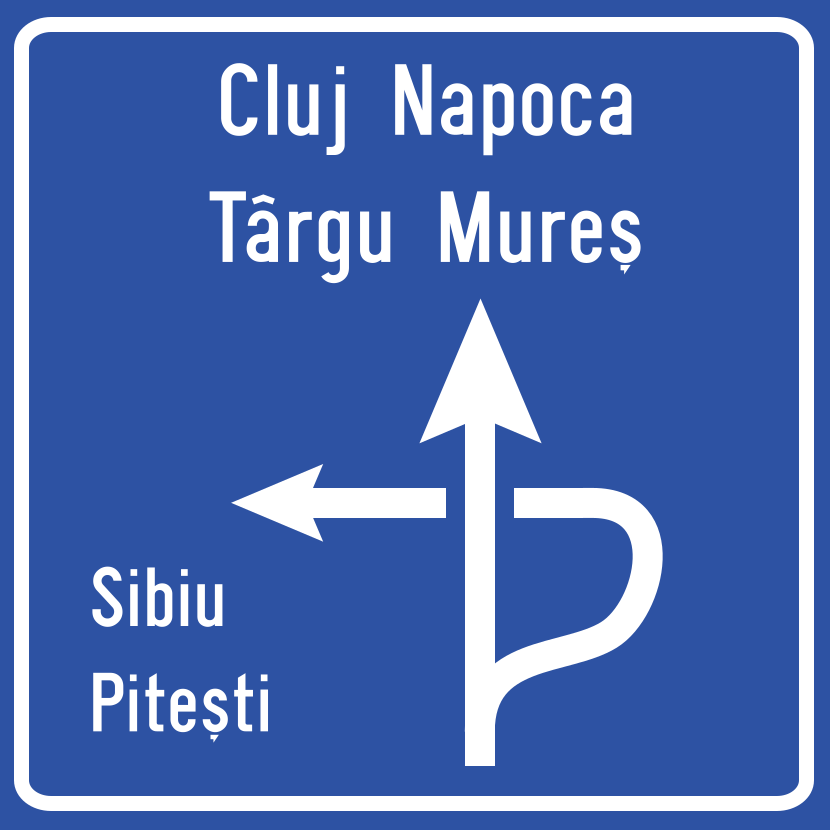
Advance direction sign for a grade-separated junction
You see it before a grade-separated junction. It shows you the directions, so that you get into the right lane in good time.
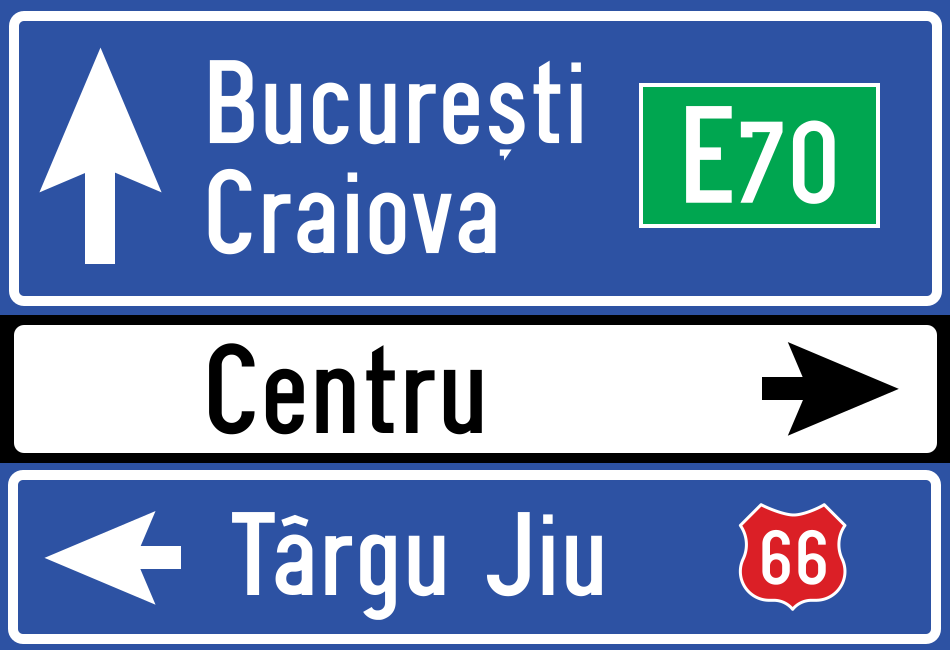
Advance direction sign for the directions indicated
You see it outside built-up areas, before a junction. It informs you of the routes you can follow.
Advance sign for the route bypassing the built-up area
You see it before the junction with the road that bypasses the built-up area. Other routes, towards other major localities, may also appear on the sign.
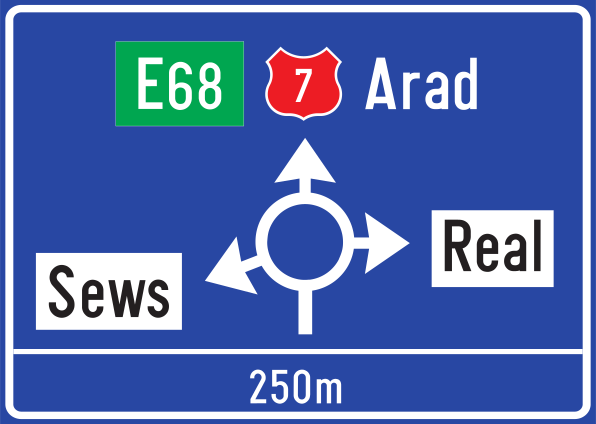
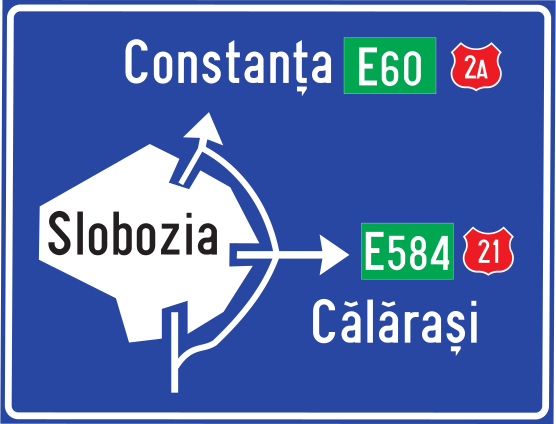
Advance direction sign for a roundabout junction
You see it outside built-up areas, before a roundabout junction. It shows you the routes you can follow.
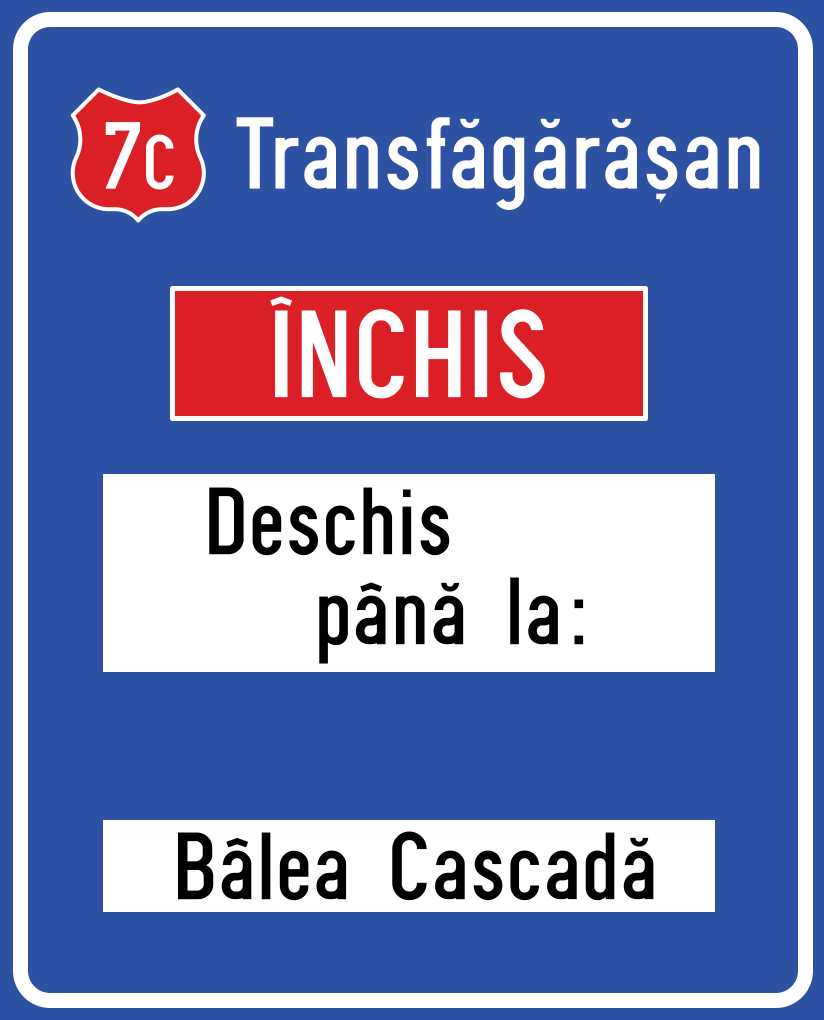
Road closed or open to public traffic
It tells you whether a road is open or closed to public traffic.
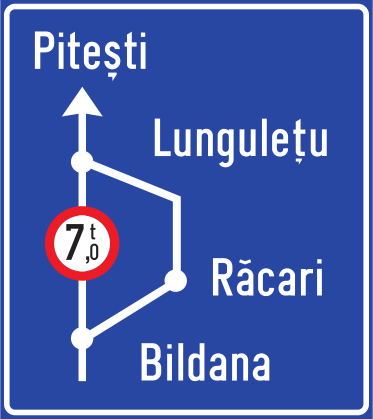
Advance sign for the route to follow in the event of a traffic restriction
You see it before the junction with the alternative road. It may also be placed in towns. On a white background it is permanent, and on a yellow background it is temporary (Article 67 of the Regulation).
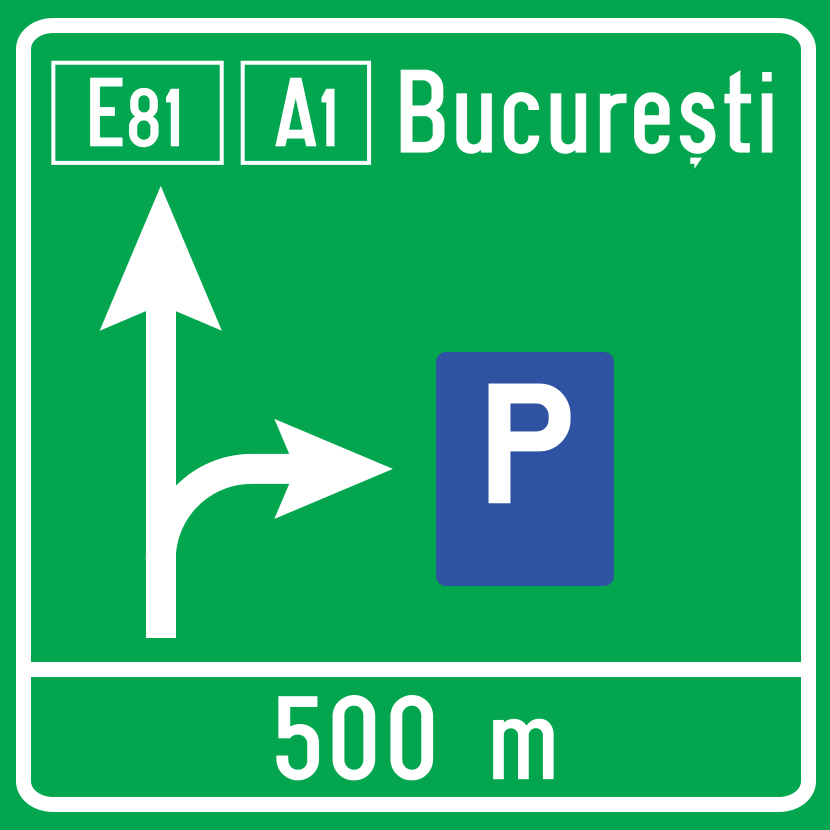
Advance sign on the motorway for a parking area
It shows you, on the motorway, the areas specially set up for parking.
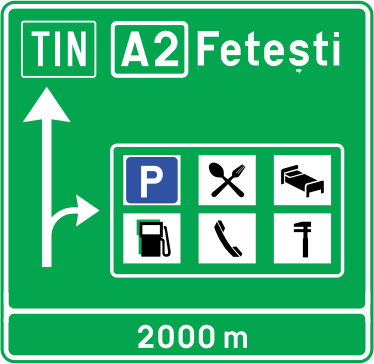
Advance sign on the motorway for a service area
It shows you, on the motorway, where the service area is.
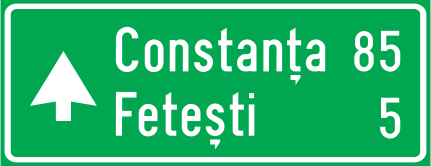
Confirmation of the direction of travel on the motorway towards major localities and the distances to them
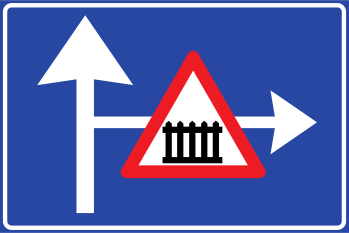
Advance sign for a dangerous place, a junction or a restriction on a side road
It warns you of a dangerous place or a restriction on a side road.
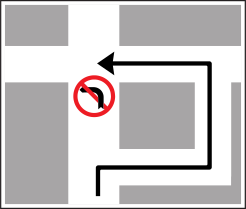
Advance sign for the route to follow in order to turn left
You see it before a junction that precedes another one where turning left is prohibited. It shows you the route to follow if you want to go left.
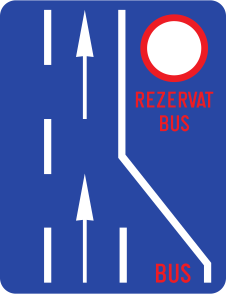
Lane reserved for motor vehicles used for public passenger transport
It informs you that one of the lanes is reserved for motor vehicles used for public passenger transport. In a car, you do not drive, stop or stand in it (Article 104 and Article 142 letter k) of the Regulation).
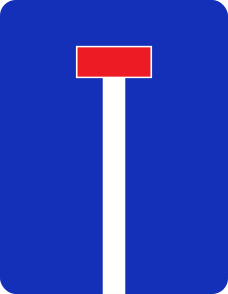
No through road
You see it at the junction with a no through road.
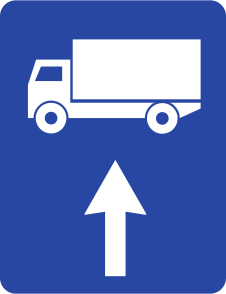
Route to follow for certain categories of vehicles
It shows the drivers of the vehicle categories pictured on the sign the direction they follow: straight ahead.
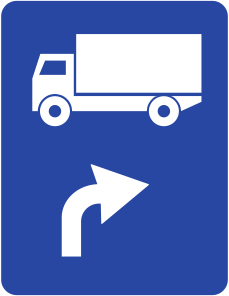
Route to follow for certain categories of vehicles
It shows the drivers of the vehicle categories pictured on the sign the direction they follow: to the right.
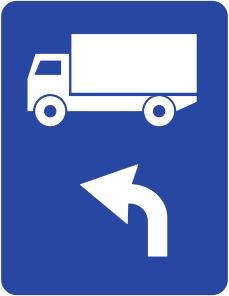
Route to follow for certain categories of vehicles
It shows the drivers of the vehicle categories pictured on the sign the direction they follow: to the left.
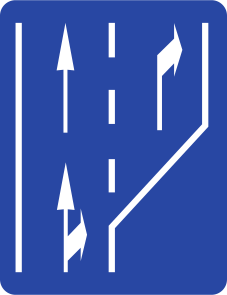
Lane selection by direction of travel near the junction
It is placed on roads with several lanes in each direction, so that you get into the lane for your direction in good time, before the junction.
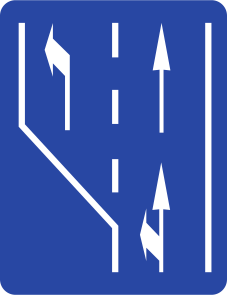
Lane selection by direction of travel near the junction
It is placed on roads with several lanes in each direction, so that you get into the lane for your direction in good time, before the junction.

Lane selection by direction of travel near the junction
It is placed on roads with several lanes in each direction, so that you get into the lane for your direction in good time, before the junction.
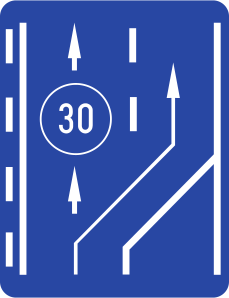
Lane for slow vehicles
It shows you the lane intended for slow vehicles. If the road has such a lane, signed as such, slow vehicles travel only in it (Article 43(1) of OUG no. 195/2002).
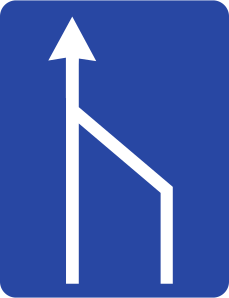
End of the right-hand traffic lane of the carriageway
Your lane is ending. You signal and move into the adjacent lane only after letting the vehicles already travelling in it pass (Article 106(2) of the Regulation).

End of the left-hand traffic lane of the carriageway
Your lane is ending. You signal and move into the adjacent lane only after letting the vehicles already travelling in it pass (Article 106(2) of the Regulation).
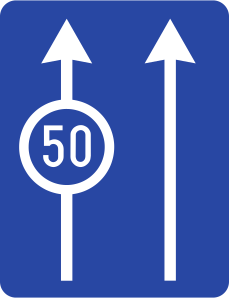
Compulsory minimum speed for a traffic lane
It sets a minimum speed for that lane; if you cannot keep to it, you use the other lane. If you drive without good reason at least 10 km/h below the minimum, you receive a fine (Article 99(1) point 1 of OUG no. 195/2002).
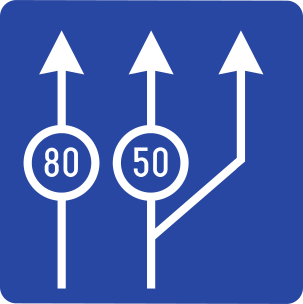
Compulsory minimum speed for different traffic lanes
It sets a minimum speed for each lane; you get into the lane that suits your speed. If you drive without good reason at least 10 km/h below the minimum, you receive a fine (Article 99(1) point 1 of OUG no. 195/2002).
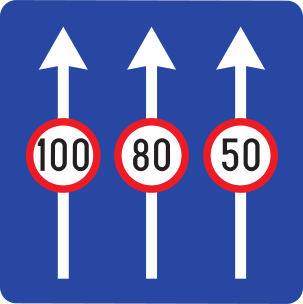
Speed limits for different traffic lanes
You see it on roads with several lanes in the same direction. It sets a maximum speed for each lane.
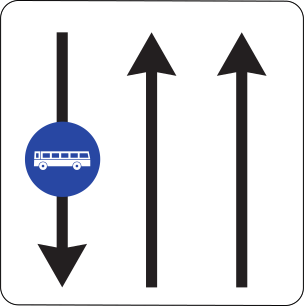
Traffic lane reserved for motor vehicles used for public passenger transport
The lane is reserved for motor vehicles used for public passenger transport. In a car, you do not drive, stop or stand in it (Article 104 and Article 142 letter k) of the Regulation).
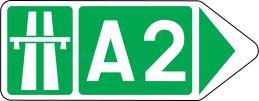
Direction to the locality indicated
You see it at junctions. It shows you the direction to the locality written on the sign.
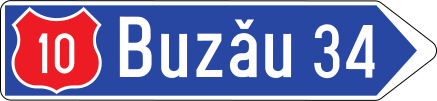
Direction to the locality indicated
You see it at junctions. It shows you the direction to the locality written on the sign.
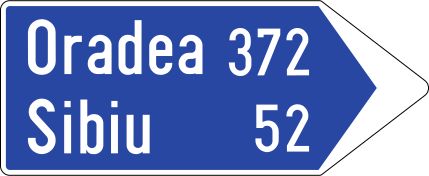
Direction to the locality indicated
You see it at junctions. It shows you the direction to the locality written on the sign.
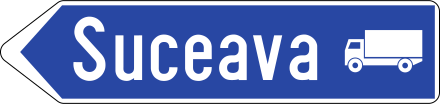
Direction to follow for motor vehicles intended for the transport of goods
You see it at the entrance to a built-up area and throughout it. It shows drivers of motor vehicles intended for the transport of goods the route they follow.
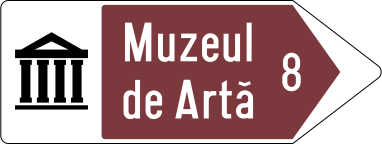
Direction to a tourist attraction
It shows you the direction to tourist attractions.
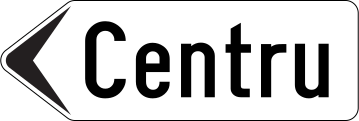
Direction to local destinations
You see it in built-up areas. It shows you the direction to the local destination written on the sign.
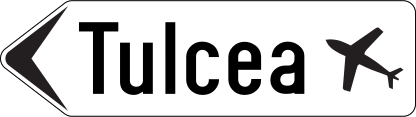
Direction to the airport
It is placed at the junction of the public road with an access road to the airport.
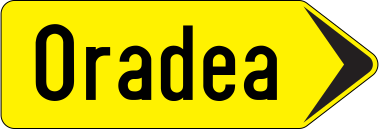
Direction to follow in the event of a temporary traffic diversion
You see it at the junction from which you follow a particular direction, when traffic is temporarily diverted.

Direction to follow in the event of a temporary traffic diversion
You see it at the junction from which you follow a particular direction, when traffic is temporarily diverted.
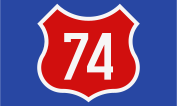
National road
It confirms that you are on a national road. The number on the sign is the road number.

County road
It confirms that you are on a county road. The number on the sign is the road number.

Communal road
It confirms that you are on a communal road. The number on the sign is the road number.
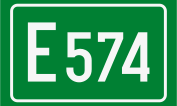
Road open to international traffic
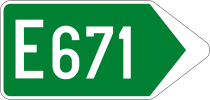
Direction of the road open to international traffic
It shows you the direction of the road open to international traffic.
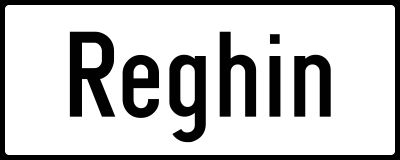
Entry to a built-up area
It marks the beginning of the built-up area. From here the maximum speed is 50 km/h, unless another sign sets otherwise (Article 49(1) of OUG no. 195/2002).
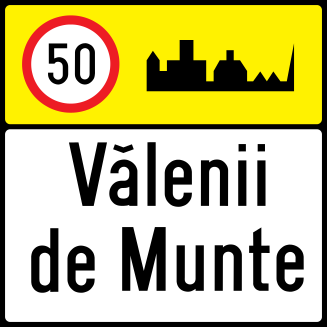
Entry to a built-up area
It marks the beginning of the built-up area and shows the maximum speed permitted in it (Article 49 of OUG no. 195/2002).
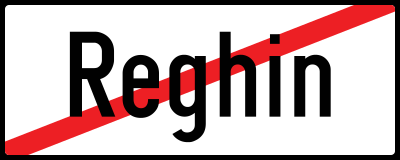
Exit from a built-up area
It marks the end of the built-up area. From here the speed limits for outside built-up areas apply (Article 49(4) of OUG no. 195/2002).
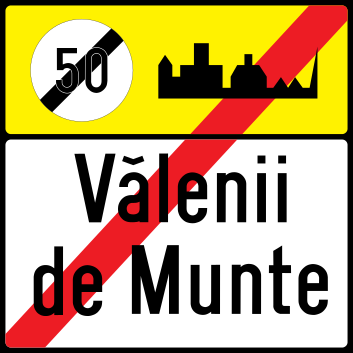
Exit from a built-up area
It marks the end of the built-up area. From here the speed limits for outside built-up areas apply (Article 49(4) of OUG no. 195/2002).
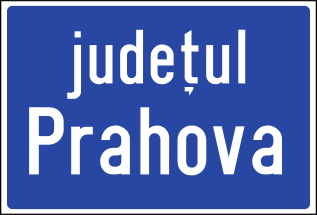
County boundary
It is placed at the entrance to a county, marking the county boundary.
Sign drawings: Wikimedia Commons, by Rl91 (Public domain), Gigillo83 (CC BY-SA 4.0), มองโกเลีย๔๔ (CC BY-SA 4.0).
Updated on 3 November 2026, in line with OUG no. 195/2002 and the Regulation approved by HG no. 1.391/2006, as currently in force.